Great Smoky MountainsNational Park Hat
Details
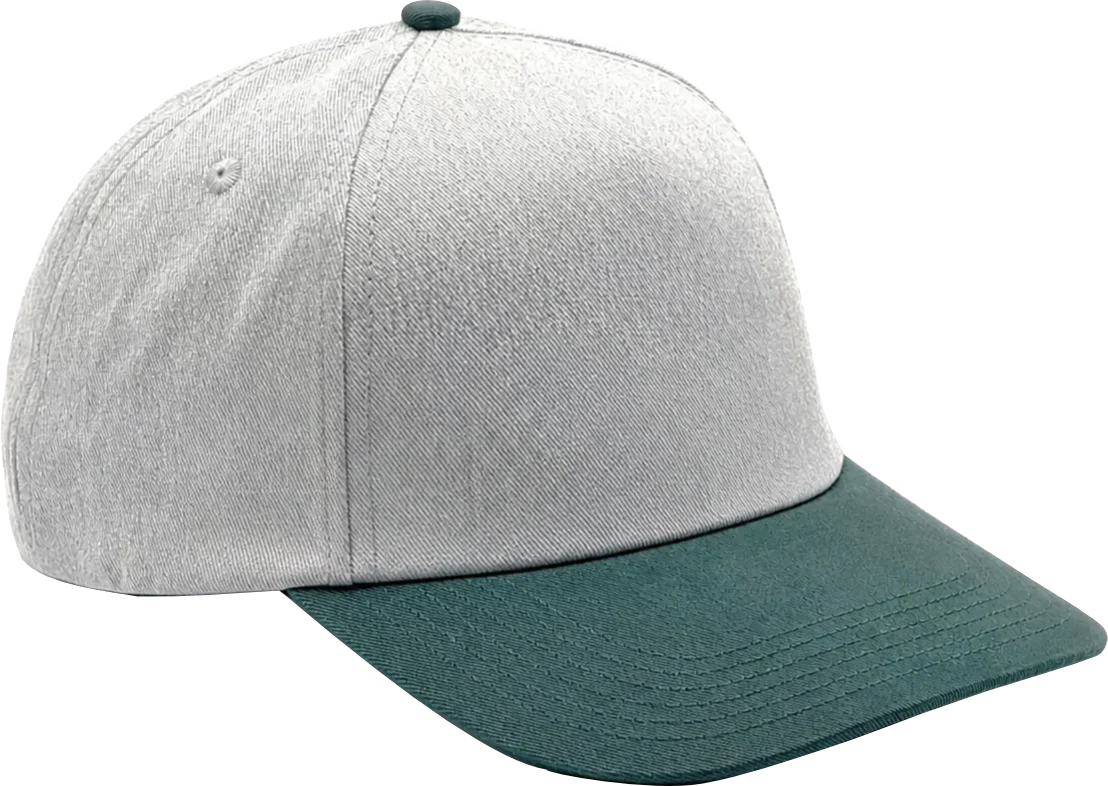
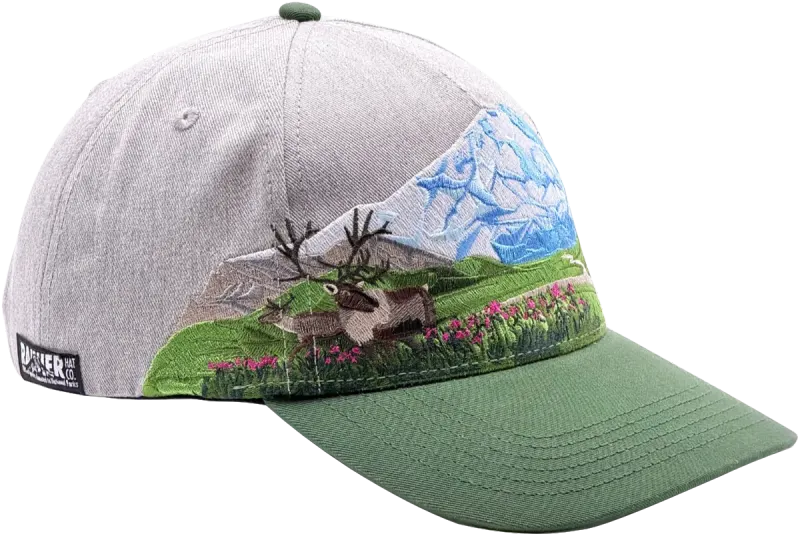
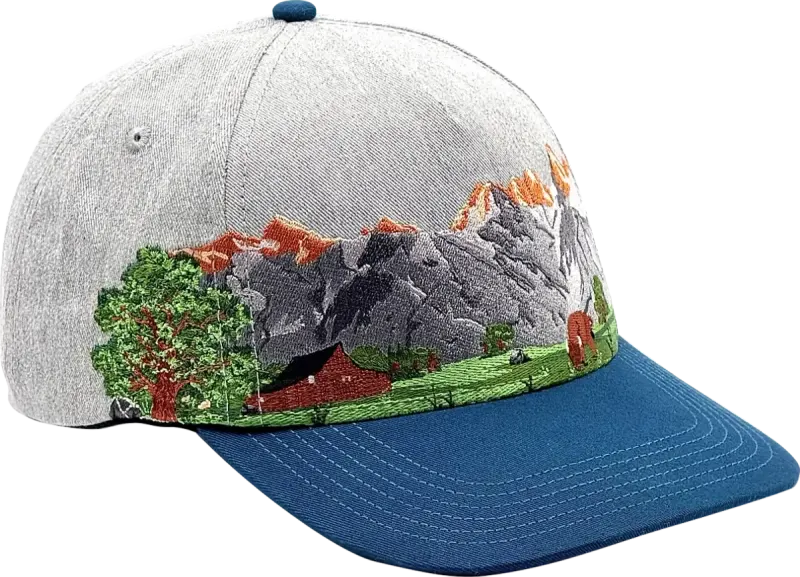
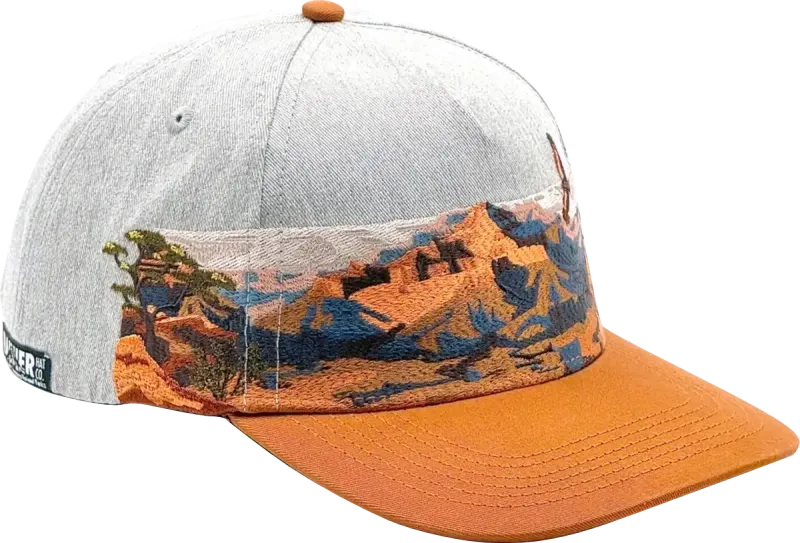
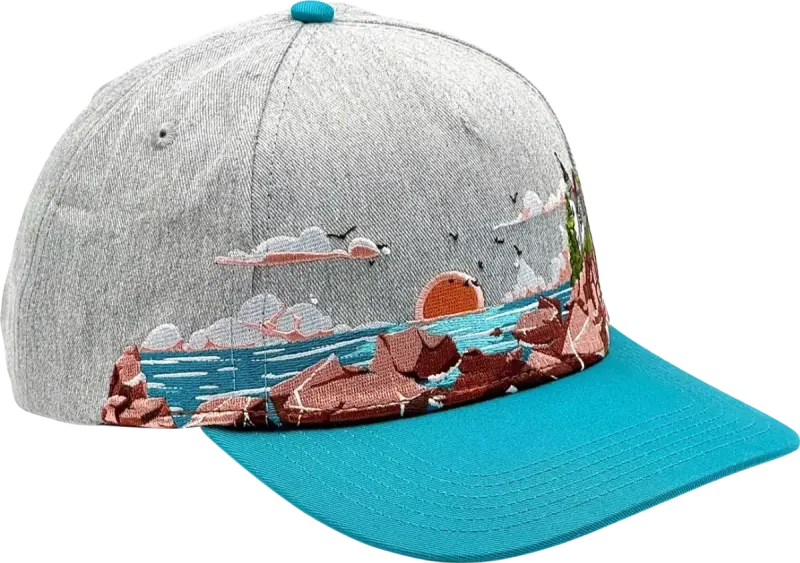
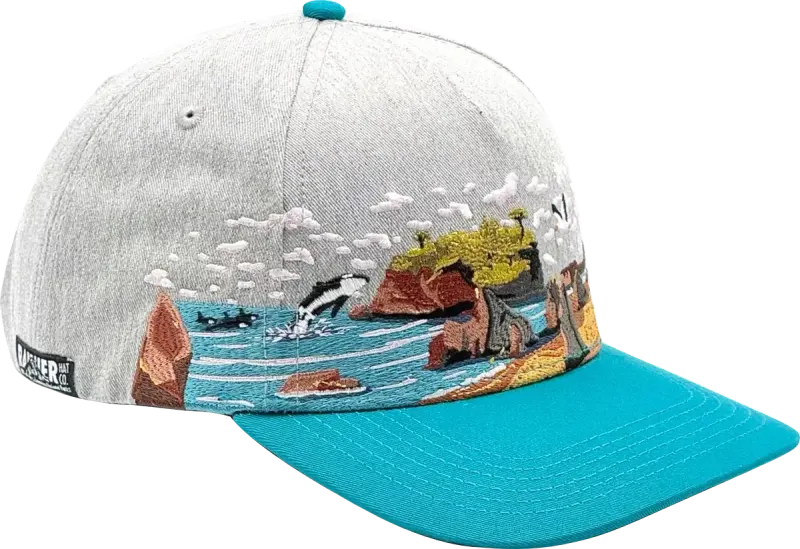
- Embroidered panoramic design
- Adjustable snapback hat
- Structured mid-profile 5 panel
- Cotton, handwash
- Free shipping, free returns
- 100% of profits donated to National Parks
Coming Soon!
What Our Customers Say
More National Parks

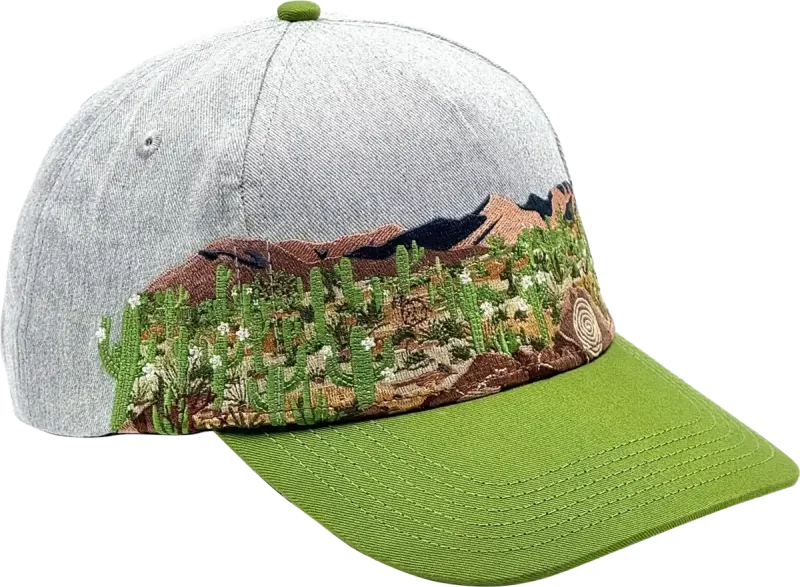
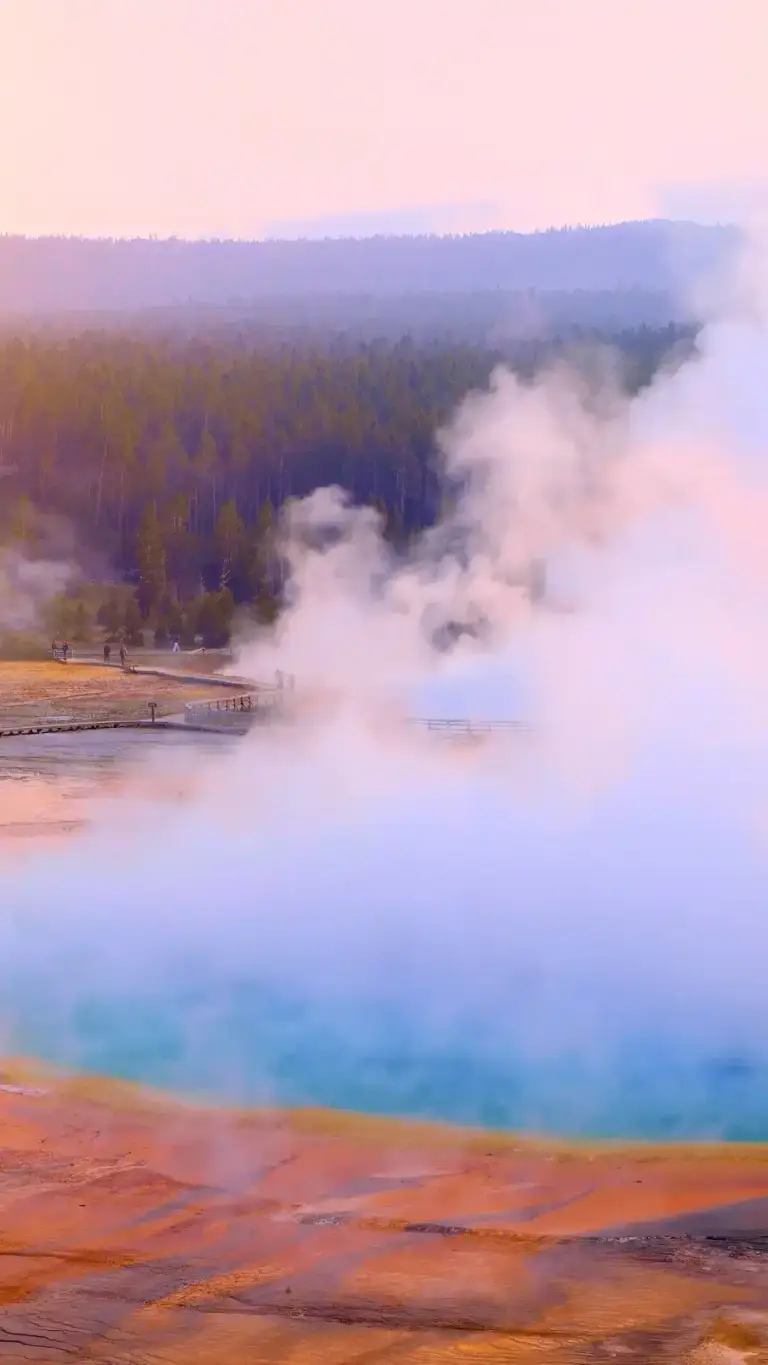

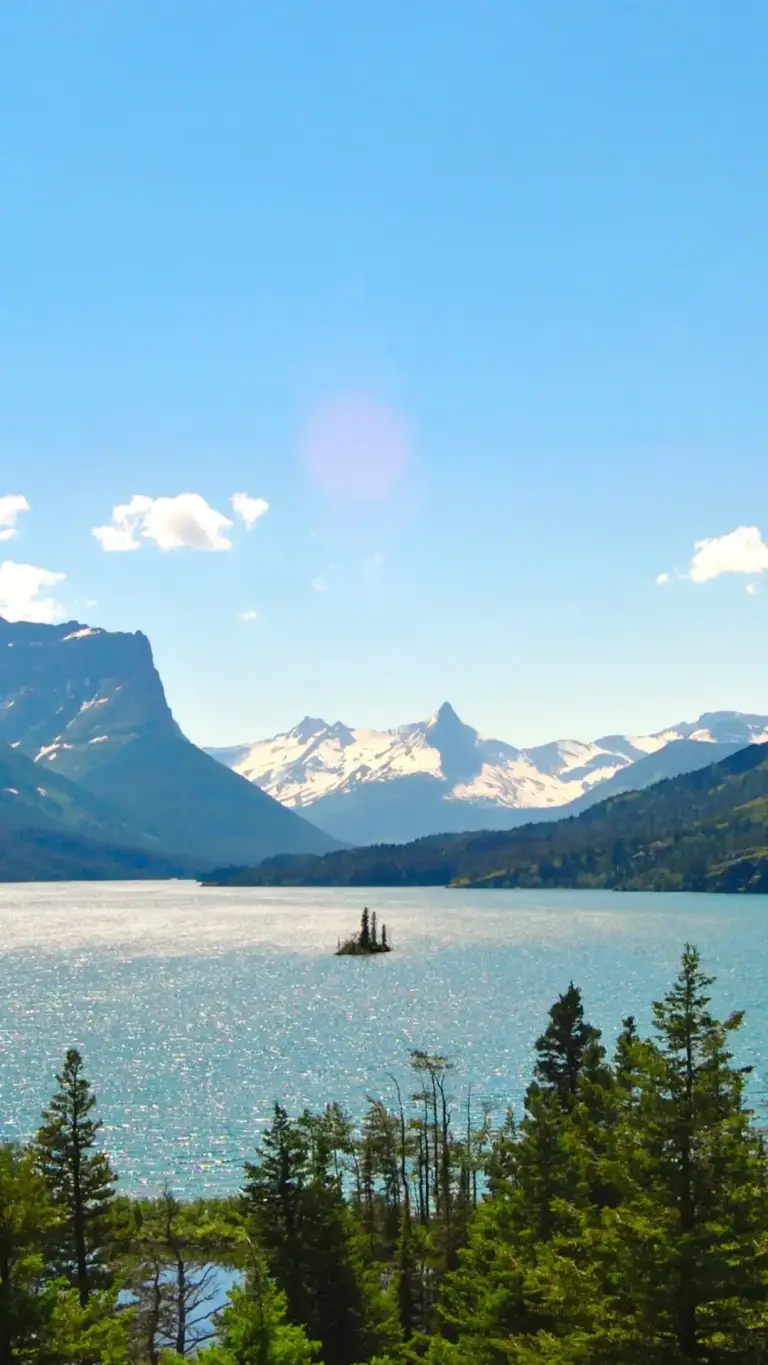
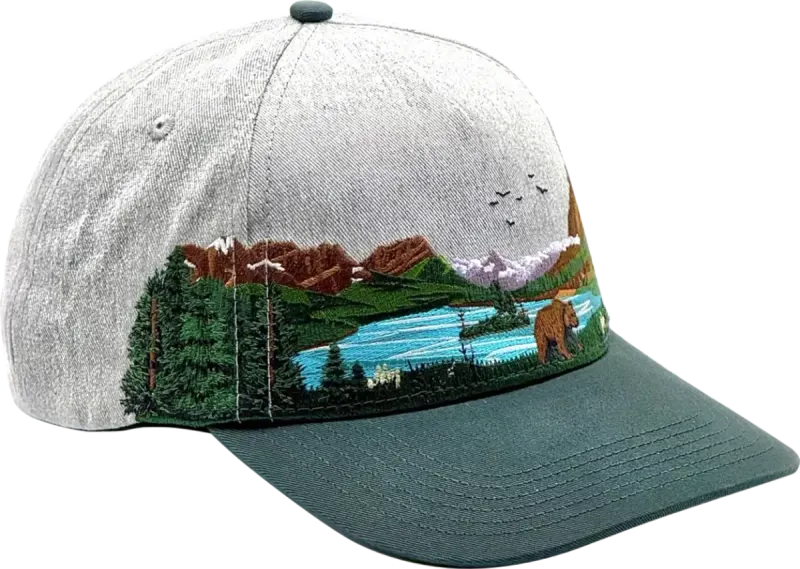
Our Mission
I'm Ian - from Seattle, and at Rainier Hat Co. we're dedicated to giving back to the places that inspire us every day. From the glaciers of Mount Rainier to the grand prismatic springs of Yellowstone, our national parks are treasures that deserve our support.
That's why we've made a commitment that goes beyond the norm: donating all our profits to these natural sanctuaries. It's not just about creating high-quality (and awesome) hats inspired by the beauty of the outdoors, it's about contributing to the preservation of these areas for future generations to enjoy.
Design Inspiration
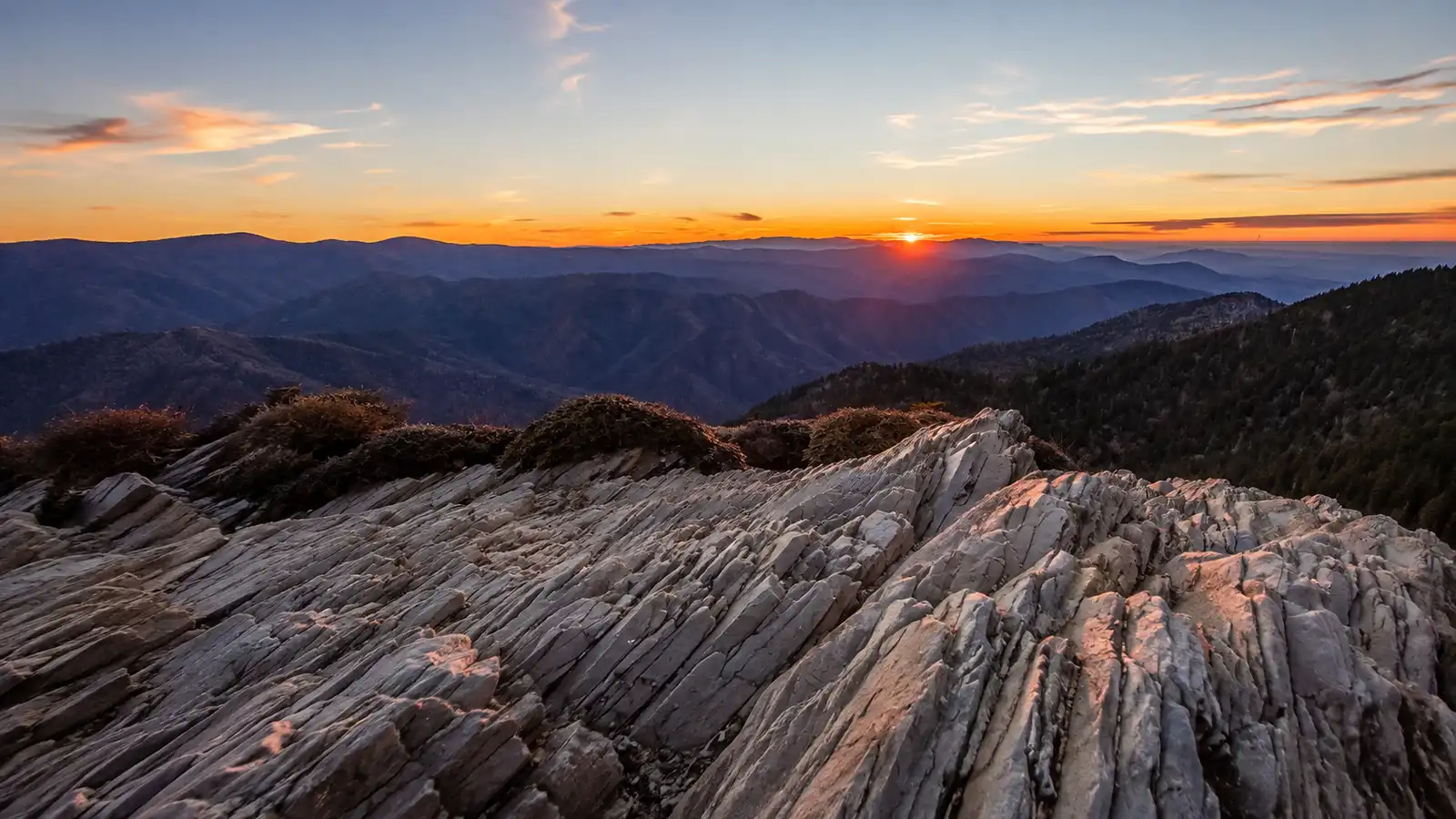
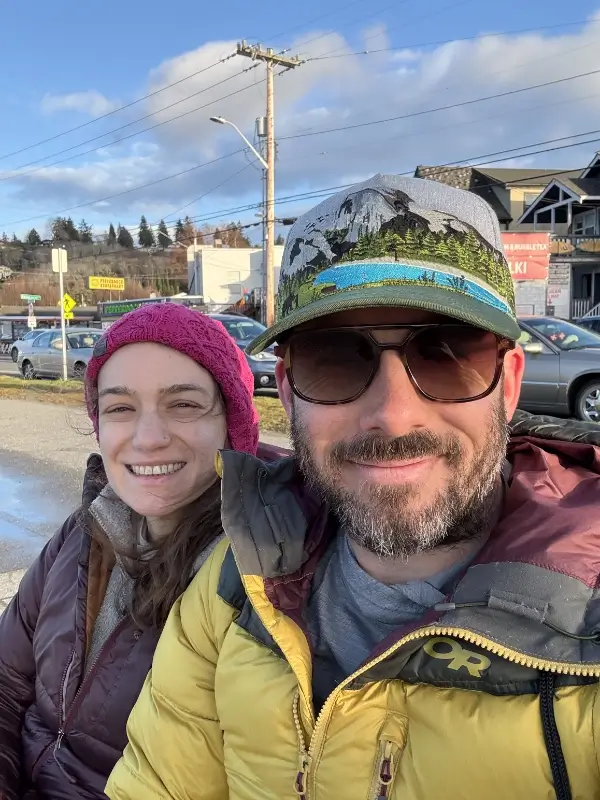
This scene was inspired by the view from Mt. Leconte after sunset, when the sun has dropped below the horizon and the light has gone flat and blue. At 6,593 feet, Leconte is one of the tallest peaks in the park, and from its summit the ridgelines fall away in overlapping layers, each one a slightly paler shade of blue than the one in front of it. This effect comes from the moisture the Smokies are known for. Water vapor scatters light across distance, softening the outlines of far ridges until they read as flat washes of color rather than solid rock.
At this elevation you are standing in a spruce fir forest, a remnant of the last ice age that survives here because the cold, wet climate mimics conditions found much farther north. Rocky outcrops break through the trees, and wild sunflowers hold on late into the season along the exposed edges where soil is thin. A black bear moves through this kind of terrain regularly at dusk, working along the tree line where forage is easy and cover is close. Bears in the Smokies are most active at dawn and dusk during the warmer months, feeding on berries, nuts, and vegetation before the nights turn cold enough to slow them down.
Design Process
Creating these National Park hats with their panoramic embroidery is a detailed process going beyond simply buying and reselling bulk designs.
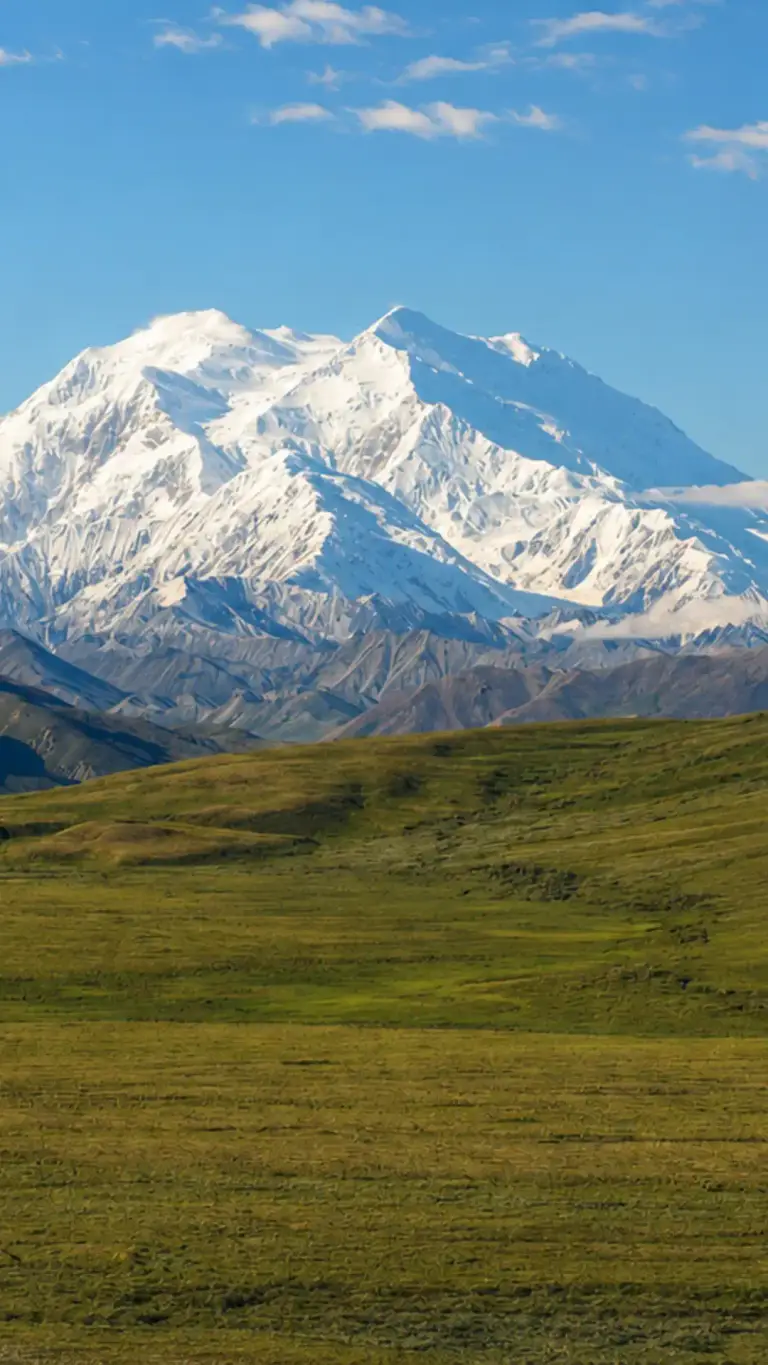
The first step is a deep dive into what makes each park unique. From the Bison of Yellowstone and the Roseated Spoonbills of the Everglades to the panoramic views of Angels Landing in Zion, our goal is to highlight the beauty of each park. We try to find a specific viewpoint in the park to show off and what we need to do to capture the feeling of being there. While sometimes we ad-lib a bit of the design to include other elements to capture the feeling of the park as a whole, we try hard to find an actual place in the park you can visit even giving you an exact Google maps QR code with every hat.
Then we get to designing! Embroidery is naturally limited in colors and we use a 15 color (the most you'll find) edgeless embroidery process which takes upwards of 90 minutes and over 60,000 stitches per hat, but allows us to show off every detail from that epic mountain range to the colorful flowers in your favorite park.
Finally the design get digitized for embroidery, a sample is made for any final tweaks, and we go to production getting these fantastic hats on your heads.
And 100% of our profits are donated right back to our National Parks .
Visit the Inspiration
Getting to Mt. LeConte
Five trails climb to the summit of Mt. LeConte, and each covers between 5.5 and 8 miles one way with an elevation gain of over 2,000 feet. The Alum Cave Trail is the shortest and most direct route, passing through Arch Rock and beneath Alum Cave Bluffs before reaching the ridge. Boulevard Trail, Trillium Gap, Rainbow Falls, and Bullhead Trail offer longer approaches through varied terrain, and hikers often choose one route up and a different one down.
Timing the hike
Most hikers plan for a full day on the mountain, starting early enough to reach the summit well before dusk. The trails gain elevation steadily and conditions at the top run 10 to 20 degrees cooler than the trailhead, so layers matter even in summer.
Fall and spring bring the clearest air for viewing the layered ridgelines to the south and east, while summer humidity thickens the blue haze the range is known for. Winter access requires traction gear, as ice forms on exposed rock sections near the summit.
Staying overnight
LeConte Lodge sits just below the summit and offers the only backcountry lodging in the park, with cabins and meals available by reservation from late March through late November. Reservations open a year in advance and fill quickly, so hikers planning an overnight stay book early.
For those camping instead, Mt. LeConte shelter requires a backcountry permit obtained through the park's reservation system. Staying overnight allows time to watch the sun drop below the western ridges, when the valleys below fill with shadow while the highest points hold the last light.
Sharing the trail with wildlife
Black bears move through these slopes especially in late summer as they forage on berries and mast. Hikers keep food secured and maintain distance if a bear appears near the trail, since LeConte's dense understory and rocky outcrops give animals cover close to well used paths.